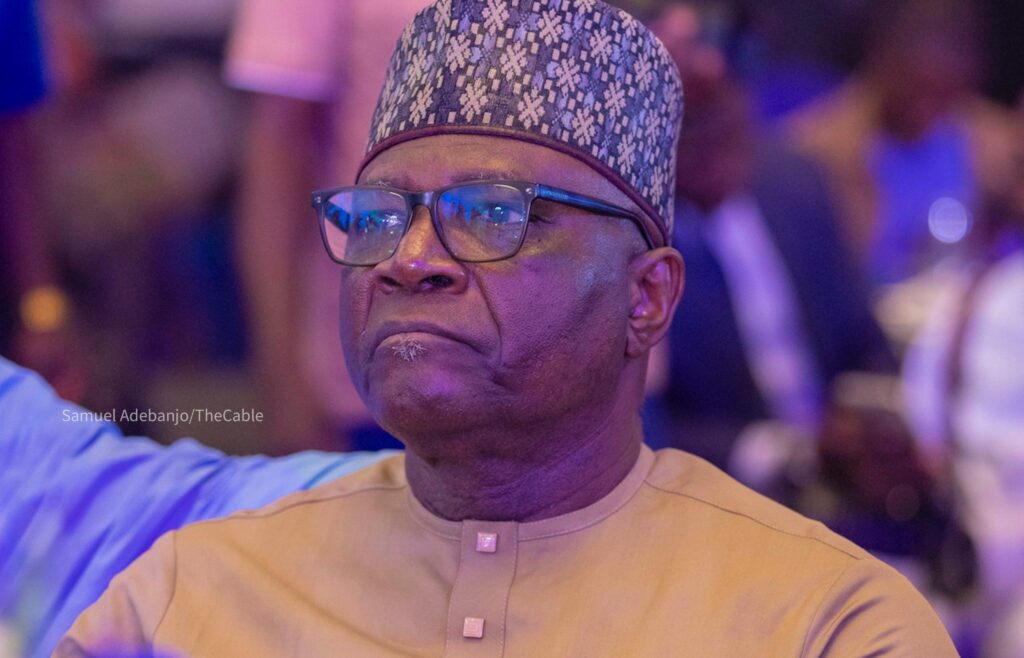
Onanuga asks Obi to honour his pledge after Anambra Government releases disputed debt records linked to his tenure
Former Anambra governor rejects allegations, insists he left office without unpaid salaries, pensions or contractor liabilities
The political battle surrounding the financial record of former Anambra State Governor and 2027 presidential candidate Peter Obi has taken a fresh turn, with the Presidency challenging him to honour his reported pledge to withdraw from the presidential race if evidence emerges that he left behind outstanding liabilities.
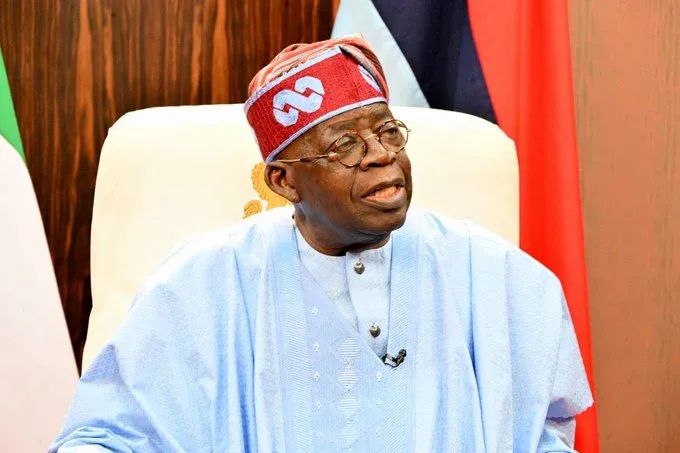
The challenge came from Bayo Onanuga, Special Adviser to President Bola Tinubu on Information and Strategy, following a fresh response from the Anambra State Government over the state’s debt profile during and after Obi’s tenure as governor.
Onanuga, in a post on his verified X account on Wednesday, September 16, said Obi had previously claimed that he left Anambra with a clean financial slate and had indicated that he would stop campaigning if anyone could establish otherwise.
The presidential aide argued that the state government had now produced what it described as records showing outstanding obligations involving workers of the former Water Corporation, teachers, pensioners and beneficiaries of gratuities.
The development has intensified an already heated dispute over how Anambra’s finances stood when Obi left office in 2014.
“Peter Obi claimed he left Anambra with a clean slate of debt and even threatened to quit the presidential race if his claims were proven otherwise,” Onanuga wrote.
He added that the Anambra Government had confronted Obi with what it described as facts and figures concerning outstanding obligations and loans.
“The ball is back in his court. Will he follow through on his threat by quitting the race?” Onanuga asked.
HOW THE DEBT CONTROVERSY STARTED
The latest confrontation followed a statement issued by Peter Obi in which the former governor rejected allegations that his administration left behind unpaid salaries, pensions, gratuities, contractor liabilities or an ecological loan.
Obi described the allegations as false and said his administration had systematically cleared historical arrears inherited from previous administrations.
According to Obi, more than ₦35 billion was used to settle historical gratuities and arrears.
He maintained that, when he handed over power, the state had no outstanding salaries, pensions or gratuities and that his administration did not owe contractors for projects that had been duly executed and certified.
Obi also disputed claims surrounding an ecological fund associated with the Oko/Umuchiana erosion crisis.
He said more than ₦2.13 billion remained untouched in a First Bank account for the specific erosion project and argued that the money was deliberately preserved for his successor because it was tied to a particular purpose.
The former governor further claimed that his administration left more than ₦75 billion in savings, excluding funds specifically earmarked for projects.
He then issued the challenge that has become central to the latest political confrontation: if anyone could establish that his claims were incorrect, he would stop campaigning for the 2027 election.
ANAMBRA GOVERNMENT FIRES BACK
The Anambra State Government subsequently responded through the Commissioner for Information and Value Reorientation, Law Mefor, in a statement titled “Gov Peter Obi and Record of Public Debt in Anambra: Facts Beyond Propaganda and Lies.”
The state government rejected Obi’s account and alleged that his administration left behind both domestic and external financial obligations.
Among its claims, the government said eight external loans linked to projects implemented during or inherited by the Obi administration had an outstanding balance of $92.35 million, which it put at approximately ₦127.37 billion as of June 30, 2026.
The loans, according to reports of the government’s statement, relate to areas including healthcare, education, erosion management, malaria control, community development and agricultural value-chain projects.
The state government also alleged that outstanding obligations involving salaries, pensions and gratuities remained after Obi’s administration.
It said the current administration had continued to spend public funds servicing inherited liabilities.
GOVERNMENT SAYS NOT ALL DEBT IS BAD
The Anambra Government’s argument went beyond simply accusing the former governor of leaving debts.
It acknowledged that borrowing can be legitimate when funds are directed towards productive infrastructure and human-capital development.
The government said it would not necessarily have objected if Obi had borrowed to improve public schools, hospitals, water schemes, infrastructure, security and poverty reduction.
Its criticism, however, centred on what it described as the nature and management of the obligations it said were left behind.
The state also questioned Obi’s account of public services during his tenure, citing what it described as deficiencies in water supply, public schools, hospitals and infrastructure.
It alleged that only about 27 per cent of Anambra residents patronised public health institutions because of poor quality and limited functionality, while also claiming that 78 of the state’s 179 communities lacked public primary schools.
Those figures and assessments are part of the Anambra Government’s current political and administrative case against the former governor and should therefore be distinguished from independently established findings.
THE ₦2 BILLION ECOLOGICAL FUND DISPUTE
One of the sharpest disagreements between the two sides concerns the ecological fund.
Obi said approximately ₦2.13 billion remained in an account connected to the Oko/Umuchiana erosion crisis when he left office.
The Anambra Government, however, disputed the description of the account as an ecological fund account.
According to the government’s response, a certified account record showed that the account identified by Obi was an Internally Generated Revenue Consolidated Revenue Account and that it had not contained the amount he claimed as an ecological fund.
This has become one of the central factual disputes in the ongoing exchange, with both sides presenting competing accounts of the state’s financial records.
WHAT HAPPENED TO THE LOANS?
The dispute also centres on the difference between borrowing during an administration and outstanding liabilities at the time of handover.
The Anambra Government says Obi’s administration contracted external debt and that some of those obligations remained subject to servicing years after he left office.
The government has put the external borrowing linked to the relevant projects at $123.77 million, while its more recent assessment says eight loans had a combined outstanding balance of $92.35 million as of June 30, 2026.
Obi, on the other hand, disputes the suggestion that these figures demonstrate that he left Anambra with unpaid obligations of the kind alleged by the state government.
His position is that inherited arrears were systematically cleared and that the state was handed over without outstanding salaries, pensions, gratuities or certified contractor obligations.
WHY THE CONTROVERSY MATTERS IN 2027
The dispute has moved beyond an argument over historical state finances and into the emerging political contest ahead of Nigeria’s 2027 presidential election.
Obi is seeking the presidency under the Nigeria Democratic Congress (NDC), while the Presidency has now directly seized on his statement about ending his campaign if his claims concerning Anambra’s finances are disproved.
The question raised by Onanuga is therefore whether the documents and figures released by the Anambra Government meet the standard Obi himself set when he issued his challenge.
That remains contested.
The Anambra Government says its records demonstrate that liabilities remained, while Obi maintains that the claims are false and that his administration left the state without the unpaid obligations alleged against it.
DEBT RECORDS NOW AT CENTRE OF POLITICAL BATTLE
The controversy has consequently produced two sharply different narratives.
For the Anambra Government and the Presidency, the issue is whether Obi’s claim of leaving the state without outstanding liabilities can withstand documentary scrutiny.
For Obi, the issue is whether the government can identify a specific unpaid obligation attributable to his administration at the point he handed over power.
The competing claims mean that the political argument is unlikely to end with the latest statements.
What remains particularly significant is that the controversy concerns financial obligations associated with a governorship that ended more than a decade ago, while the records are now being examined through the lens of the 2027 presidential contest.
For now, neither side has accepted the other’s interpretation of the state’s financial position.
The Presidency has asked Obi whether he will honour his pledge.
Obi’s earlier response remains that if anyone can establish that he left behind the liabilities alleged by his critics, he would stop campaigning.
The dispute over the documents, figures and interpretation of Anambra’s financial records is therefore likely to remain an important issue in the political debate surrounding the 2027 election.
About the Author