Anambra Governor Frees Popular Native Doctor, Gives Him New Role as Youth Reformation Ambassador
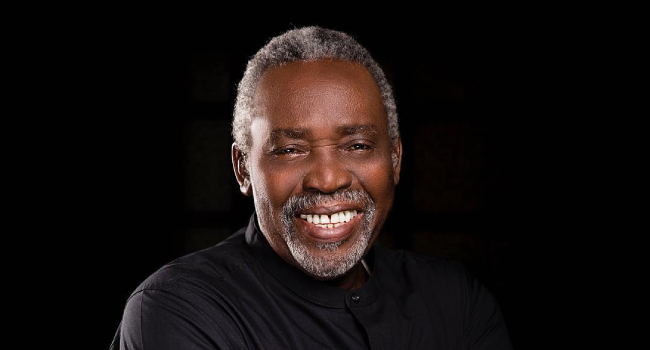
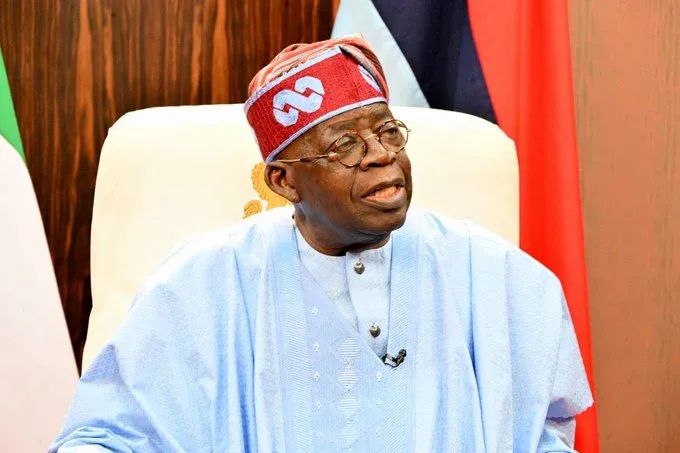
Anambra State Governor, Prof. Chukwuma Soludo, has pardoned popular native doctor Chidozie Nwangwu, better known as Akwa Okuko Tiwara Aki, bringing an early end to his 11-month prison sentence.
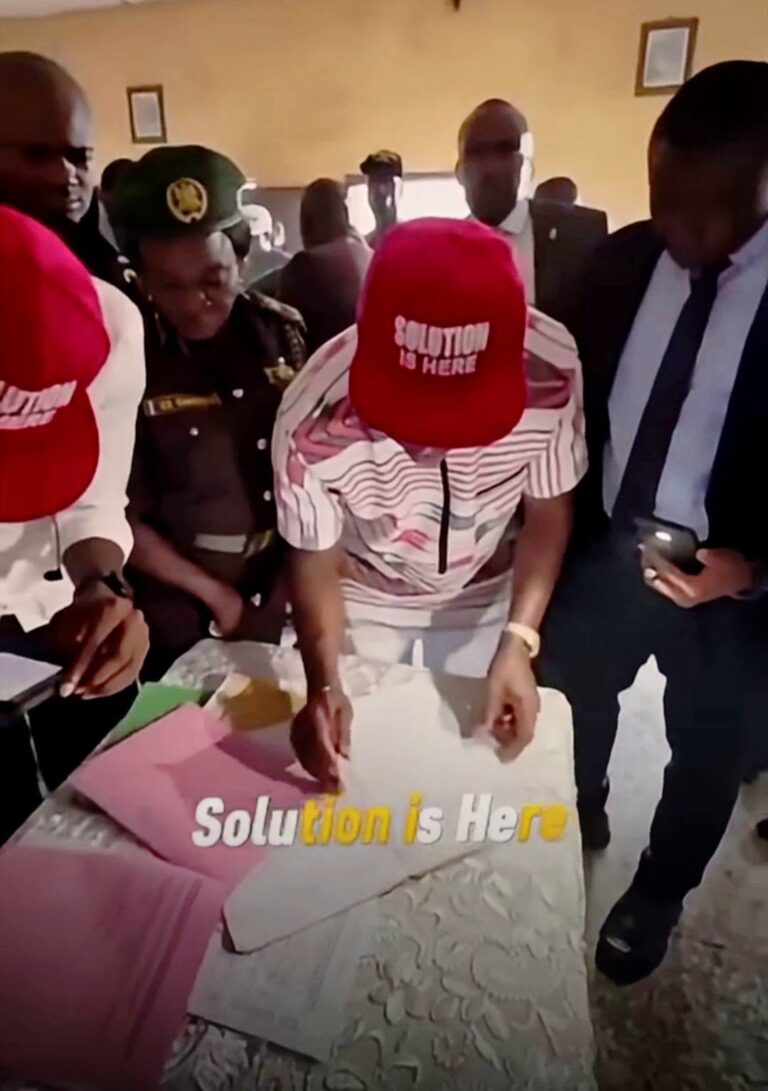
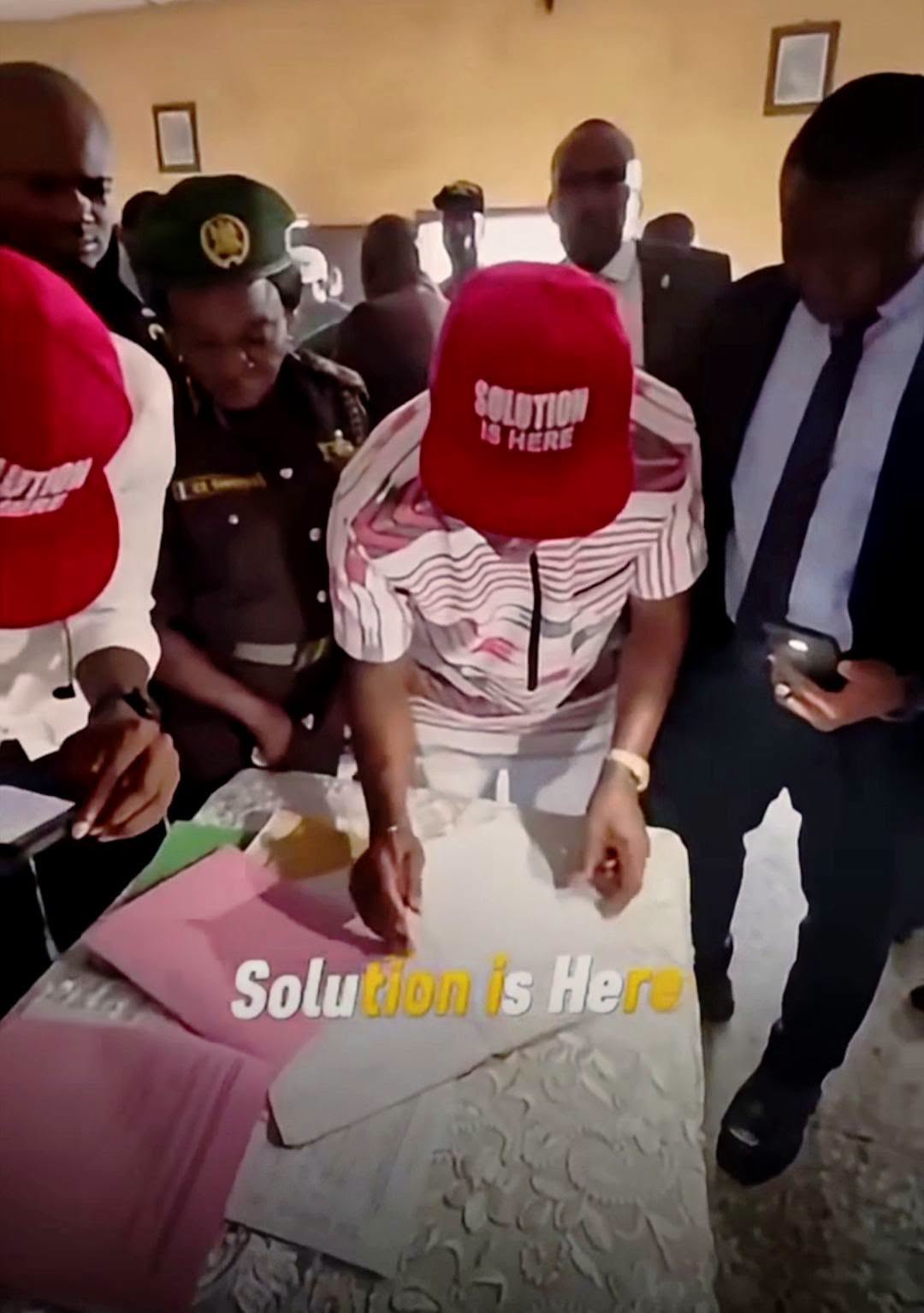
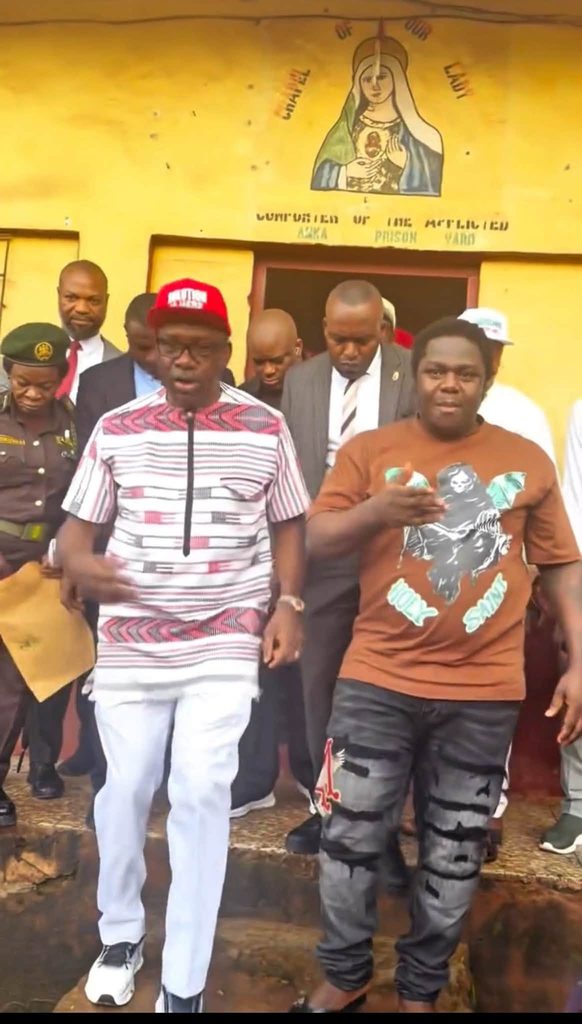
The governor signed the release order on Friday, September 18, 2026, during a visit to the correctional facility in Amawbia, Anambra State.
The development means Akwa Okuko, who had been serving a sentence following a High Court judgment in Awka, has regained his freedom under the governor’s prerogative of mercy.
But his release has come with a significant twist.
Rather than simply returning to his previous activities, Nwangwu has been given a new public-facing responsibility as Ambassador for Youth Reformation in Anambra State.
What Led to Akwa Okuko’s Imprisonment?
Akwa Okuko was among a group of native doctors arrested in Anambra in 2025 amid the state government’s crackdown on practices associated with money rituals, quick-wealth schemes and the alleged use of human parts for rituals.
He subsequently entered a plea bargain with the state government.
In February 2026, a High Court sitting in Awka sentenced him to 11 months in prison after he pleaded guilty to offences linked to the practice popularly known as “Oke-Ite” and other related matters.
The court also ordered the demolition of his shrine in Oba, Idemili South Local Government Area.
The shrine was subsequently demolished by state security operatives following the court’s judgment.
As part of the conditions surrounding his sentence and plea bargain, Nwangwu was also required to renounce his fetish practices and commit to supporting youth reformation.
WHY Soludo Had Earlier Promised to Consider His Pardon
The governor’s decision to pardon Akwa Okuko did not come entirely out of the blue.
In October 2025, while visiting Oba, youths from the community had appealed to Soludo to intervene in the native doctor’s case.
At the time, however, Soludo said the matter was already before the court and that he could not interfere with the judicial process.
The governor explained that if Akwa Okuko were eventually convicted, the community’s leaders could return to him to discuss the possibility of a pardon.
“If he is found guilty and convicted, after that, your leaders can meet with me, and we can discuss the possibility of a pardon,” Soludo said at the time.
That position has now translated into an actual pardon following the conclusion of the court process.
Soludo Gives Akwa Okuko a New Responsibility
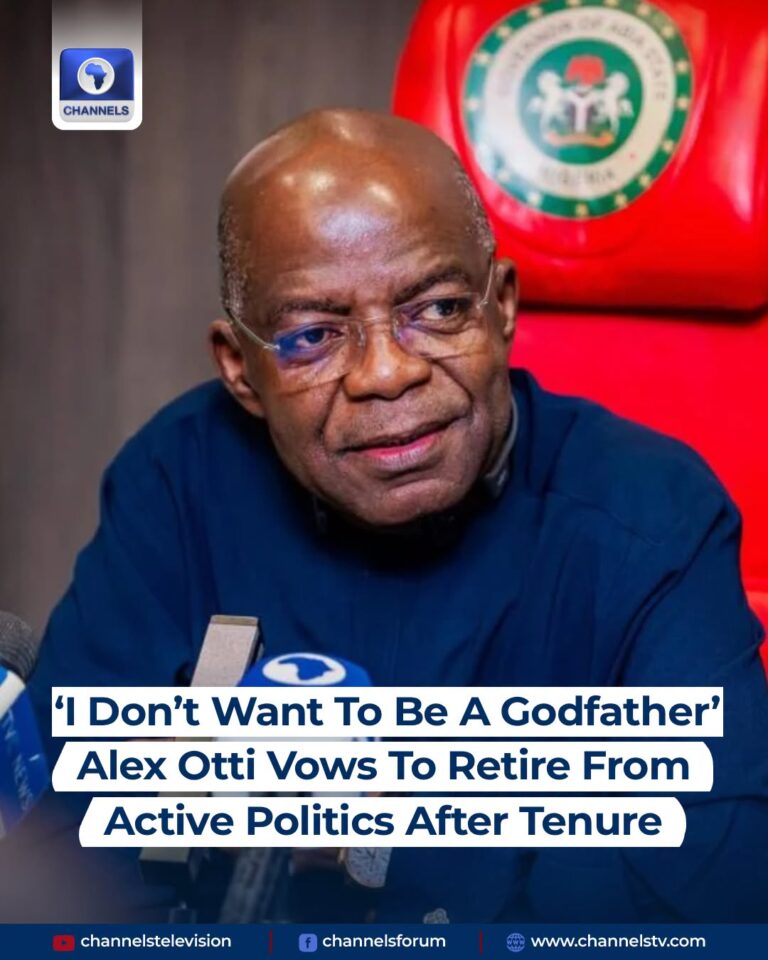
According to the Anambra State Government, Soludo announced the pardon during his visit to the Amawbia Correctional Centre on September 18.
The governor said he would sign the release papers and emphasised the need to focus on reforming the state.
The governor’s Special Adviser on Youth Reformation, Dr Nelson Omenugha, subsequently announced that Nwangwu had been given a new responsibility as Ambassador for Youth Reformation.
Omenugha described the intervention as an example of an approach centred not only on punishment but also on correction, restoration and giving individuals a new purpose.
The appointment is expected to place Akwa Okuko in a position to speak to young people about the consequences of destructive practices and encourage a different approach to wealth and personal development.
Akwa Okuko Regains Freedom as Social Media Reacts
News of the pardon has generated significant reactions across social media.
Some Nigerians have welcomed the development, while others have responded with humour and memes surrounding the native doctor’s return to freedom.
Other online reactions have focused on Soludo’s decision to pardon him and subsequently give him a public role connected to youth reformation.
The reactions reflect the unusual nature of the development: a man who was previously convicted over practices associated with “Oke-Ite” is now being positioned by the state government to participate in efforts aimed at youth reorientation.
What Happens to the Court Orders?
The pardon does not erase the fact that Akwa Okuko was convicted by the court.
His original case involved a plea bargain, an 11-month custodial sentence and additional conditions, including the demolition of his shrine and renunciation of the practices associated with the charges.
The Anambra State Government has confirmed that the pardon was granted under the governor’s prerogative of mercy.
The government has also framed the new appointment around rehabilitation and youth reformation rather than a return to the activities that led to his prosecution.
For now, Akwa Okuko’s next chapter will therefore be closely watched, particularly given his new association with the state’s youth-reformation programme.
About the Author